Electricity powers our homes, businesses, and industries, which makes transformers one of the most important parts of the electrical distribution network. However, all these devices regulate voltage levels to make sure there is safe power transmission to our homes and offices, but transformer failures can occur very unexpectedly, resulting in disruptions and safety issues. Hence, understanding what happens when a transformer blows can really help property owners and utility customers better respond to such panicking situations.
Understanding Transformer Failure
A transformer is designed to transfer electrical energy between circuits while maintaining the voltage properly. When it operates normally, it handles electrical loads efficiently and stays relatively stable. When a transformer fails, the internal components experience severe electrical or thermal stress, which can result in a sudden shutdown or breakdown.
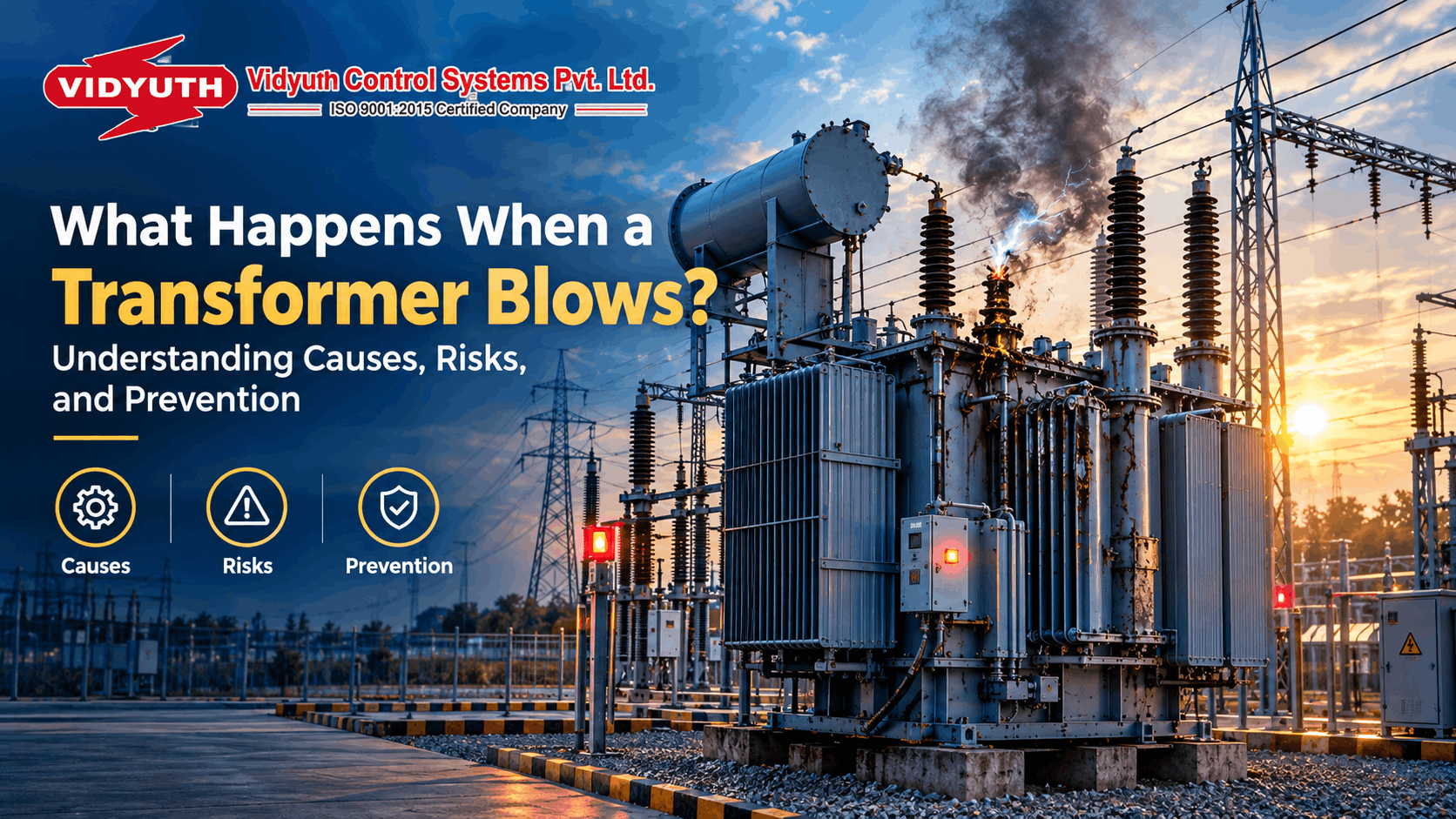
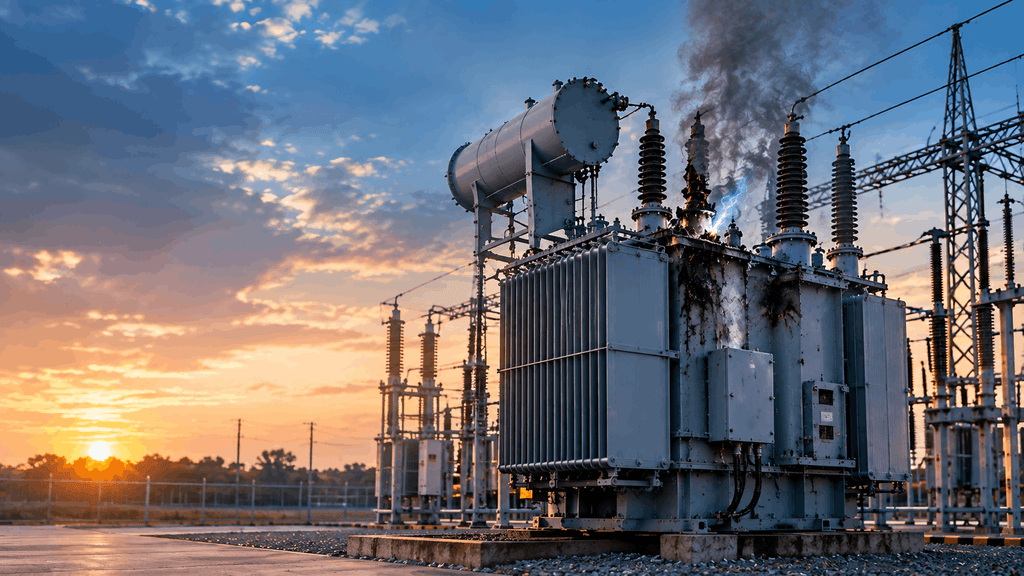
In several cases, you will see that a blown transformer is accompanied by a loud bang, bright flashes, smoke, or even fire; the dramatic failure often occurs because of excessive pressure and heat.
Why Do Transformers Blow Up?
There are many factors that can contribute to transformer failure; one of the most common causes is electrical overload. When a transformer is forced to manage more power than its capacity, it fails and starts building heat inside the unit; later, the overheating damages the insulation system and internal components.
Another important reason is lightning strikes or voltage surges; these sudden spikes in electrical energy can over-burden protective systems and create internal faults. In oil-filled transformers, these faults might ignite insulating oil, creating pressure that can rupture the transformer casing.
Understand that aging equipment also plays a very crucial role. As transformers operate for years, insulation materials start to gradually deteriorate; moisture intrusion, corrosion, and lack of maintenance further accelerate wear and increase the chances of failure.
What Causes Transformers to Blow?
When discussing failures, many people ask what causes transformers to blow in the first place. The answer is a combination og environmental, electrical, and mechanical problems.
Common causes include:
- Overloading due to increased power use
- Short circuits within the electrical system
- Insulation breakdown caused by aging
- Lightning strikes and power surges
- Cooling system failure
- Moisture contamination
- Physical damage from storms or accidents
What Happens During a Transformer Explosion?
The failure process can occur immediately within a few seconds; an electrical fault greatly generates intense heat, causing internal materials to be destroyed rapidly. In any oil-filled transformer, the insulating oil quickly vaporizes and begins expanding, creating dangerous pressure inside a sealed tank. Now, as the pressure starts to build, the transformer casing may rupture, which leads to a loud explosion, sparks, and flashes that are often visible from a considerable distance.
Impact on Homes and Businesses
A transformer failure can create huge consequences; the most noticeable effect is a power outage due to transformer-blown incidents. Depending on the transformer’s size and its location, the outage might affect a few buildings, an entire neighborhood, or a commercial district altogether. In businesses, you will see delays in production or shutdown of equipment, and in residential areas, you may experience disruption in some important services.
Also read – Why Voltage Stabilizers Are Essential for Appliance Protection
Warning Signs Before Failure
Transformers often show warning signs before a major breakdown occurs. Therefore, identifying these signs early can help prevent costly damage.
Some common indicators include:
- Unusual buzzing or humming sounds
- Visible oil leaks
- Burning odors
- Excessive heat around the transformer
- Frequent tripping of protective devices
- Voltage fluctuations
- Smoke or discoloration around equipment
How to Prevent Transformer Failures?
Obviously, you cannot avoid every failure ever, but proper maintenance actually reduces the overall risk. Regular inspections help technicians identify insulation problems if there are any, such as oil contamination, overheating, and mechanical wear, before they become a danger and cause a big accident. Utilities and facility operators must also monitor their transformer loading levels, maintain cooling systems, and install surge protection systems.
What to Do If a Transformer Blows?
If you witness a transformer failure, stay at a safe distance and avoid touching the equipment directly. Contact your local utility provider quickly and report the damage. Utility crews will isolate the impacted area, check the damage, and start repair or replacement procedures. The restoration timeline actually changes depending on the extent of the damage and equipment availability. For a detailed guide, check
Bottom Line
Understanding what happens when a transformer blows is going to help individuals prepare for such sudden and unexpected electrical disruptions. Transformer failures can result from different reasons that have been mentioned above; therefore, by recognizing the “danger signs” and doing preventive maintenance, many failures can be easily avoided.
Do you need reliable transformer solutions, electrical infrastructure support, or expert power system services? Contact Vidyuth Control Systems right now to learn how our experienced team can help improve the safety of your electrical systems.