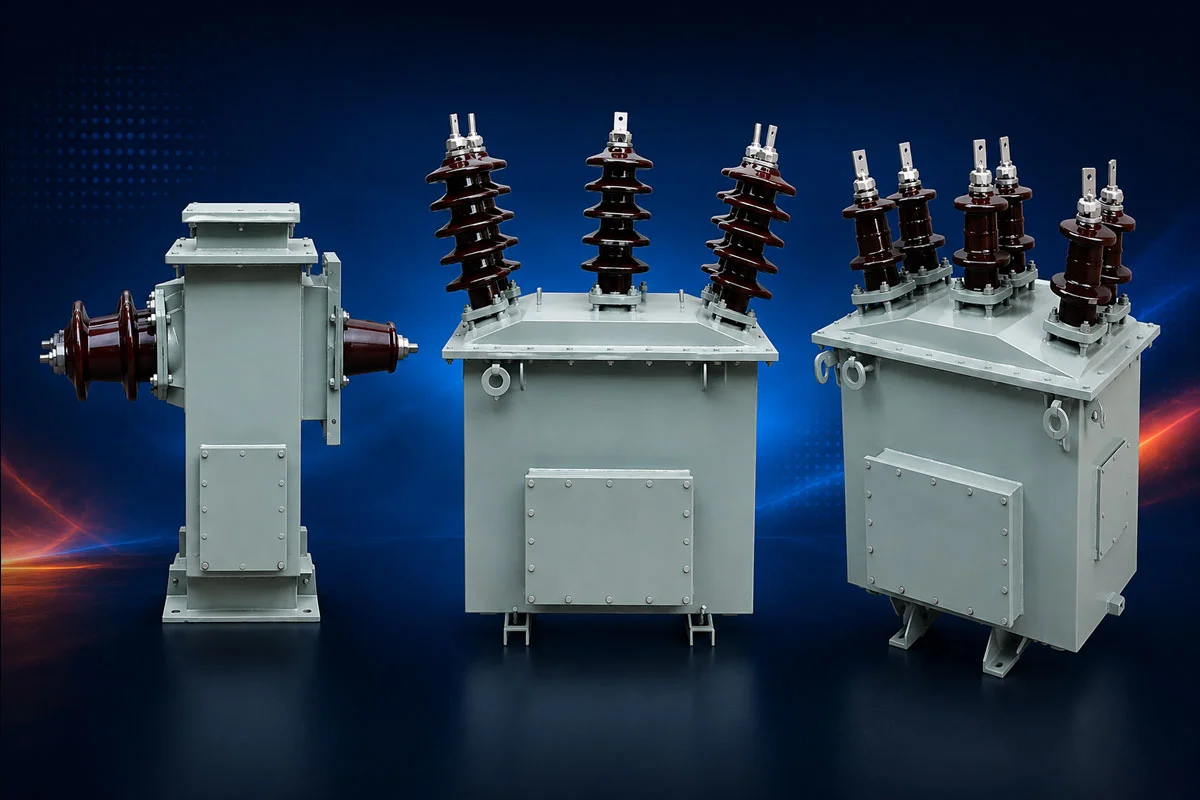
Transformers play an important role in power transition and distribution, so that there is voltage regulation across industries and infrastructure. The transformer manufacturing process is a highly structured process that is filled with multiple steps, from raw material selection to final testing. Each step is crucial to make sure there is durability, efficiency, and performance that lasts in the long term. Today, we will explore the complete transformer manufacturing process flow chart, key steps, and the importance of precision in transformer assembly.
Understanding the Process Flow Chart
A typical Transformer manufacturing process flow chart includes the following major stages:
Design & Material Selection
- Core Manufacturing
- Coil Winding
- Core-Coil Assembly
- Tank Fabrication
- Painting & Finishing
- Tank-Up Process
- Testing & Quality Control
Step-by-Step Transformer Manufacturing Process
Design and Raw Material Preparation
The process starts with transformer design based on voltage, capacity, and application needs. Engineers determine specifications, such as winding configuration, insulation, and cooling systems. High-quality raw materials, such as CRGO silicon steel, copper conductors, and insulation materials, are selected for optimal performance.
Core Manufacturing
The transformer core is made from cold-rolled grain-oriented (CRGO) silicon steel sheets, which are cut, shaped, and assembled to minimize energy losses. These laminations are stacked carefully to eliminate the air gaps and improve magnetic efficiency, noise levels, and energy loss.
Coil Winding
Coil winding is one of the most critical steps in the transformer manufacturing process. Copper or aluminum conductors are wound into coils using automated machines. High-voltage and low-voltage coils are designed based on specific electrical requirements. Besides, proper insulation and winding tension are maintained to ensure there is safety as well as durability.
Core-Coil Assembly (Transformer Assembly)
The transformer assembly stage includes integrating the core and windings into a single unit. This is where the magnetic core, primary winding, and secondary winding are combined to form the functional transformer unit. This is a stage where high precision is needed to ensure proper alignment, insulation, and mechanical strength.
Tank Fabrication
The transformer tank works as a protective enclosure and cooling system. It is fabricated with high-quality steel and designed to withstand environmental and operational stress. Also, radiators and cooling fins are attached to regulate temperature during operations.
Painting and Finishing
Once the tank is fabricated, it undergoes a cleaning and painting process. The anti-corrosion coatings and enamel finishes are applied to increase durability and resistance to environmental factors. There are accessories, such as bushings, valves, and indicators, that are also fitted during this stage.
Tank-Up Process
This is the stage where the core-coil assembly is placed inside the transformer tank. The unit is filled with insulating oil that provides cooling and insulation; proper connections between primary and secondary windings are established, and all components are securely fixed.
Testing and Quality Control
The final stage of the transformer manufacturing process is focused more on testing to ensure the transformer’s safety, efficiency, and overall performance. There are different tests, including winding resistance measurement, transformer ratio testing, insulation resistance testing, no-load and load-loss tests, and dielectric testing, which are conducted to see the reliability of the unit. These are the quality checks that help to validate that the transformer is meeting and fulfilling industry standards and can operate efficiently under different working conditions.
What is the Importance of Quality in Transformer Manufacturing?
The success of a transformer depends on strict adherence to each stage of the manufacturing process. Even minor deviations can result in several inefficiencies, overheating, or failure during operation. Consistent quality control, advanced machines, and a skilled workforce ensure there are reliable and long-lasting transformers.
Conclusion
The transformer manufacturing process is a complex yet well-structured procedure that ensures high performance and reliability. At every stage, from core construction and coil winding to final testing, every stage plays a critical role in delivering efficient transformers for modern power systems.
Are you looking for a reliable transformer manufacturer in India? Choosing a company with advanced manufacturing facilities and strict quality control standards is essential. Explore our expertise as well as solutions by visiting our website to find the right transformer as per your needs.
By quickly understanding the complete transformer manufacturing process flow chart and the role of assembly of the transformer, businesses can make informed decisions for long-term operational efficiency.