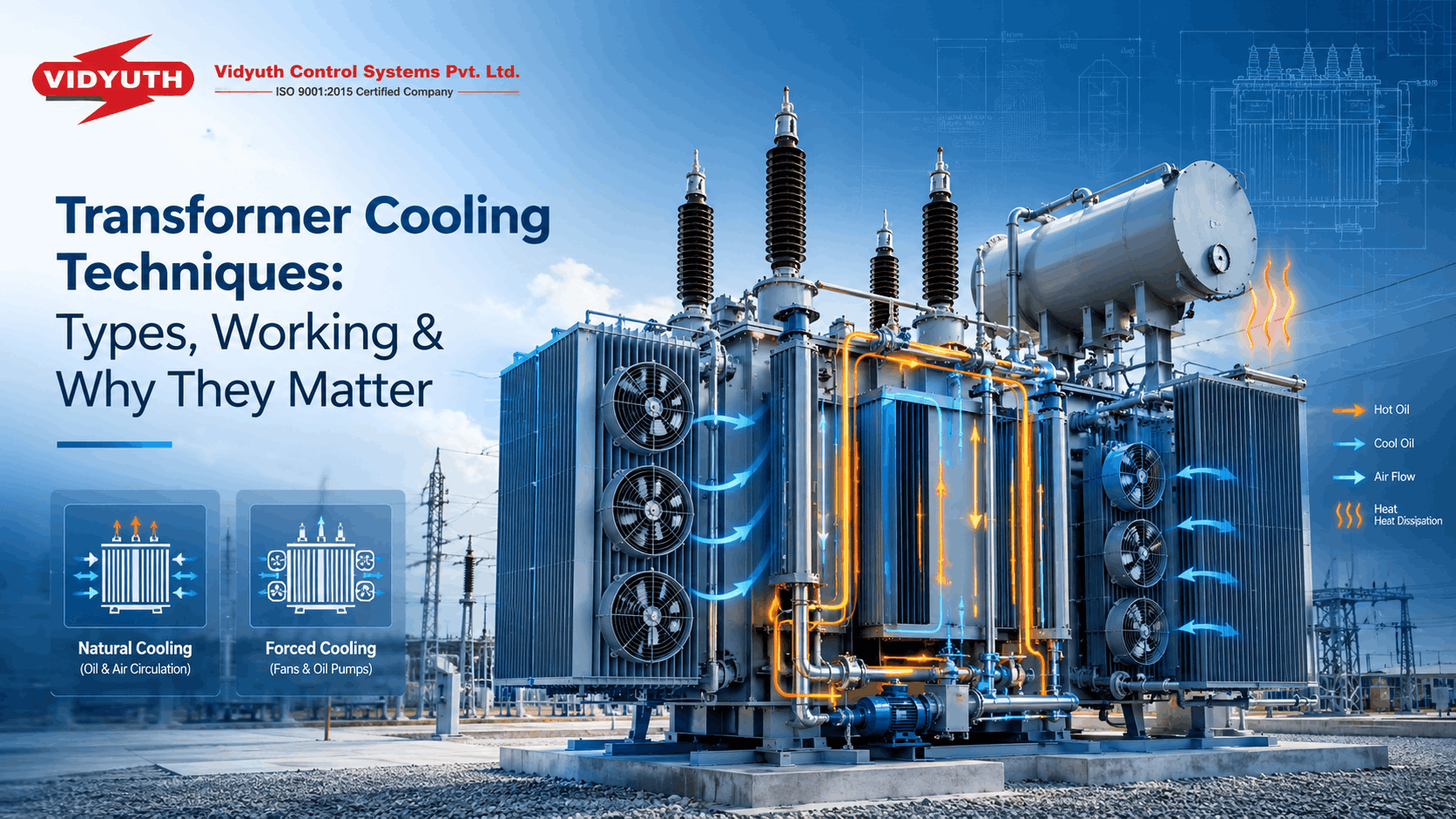
Transformers are very vital components of electrical power systems due to their ability to effectively transfer electrical energy between circuits. During operation, transformers can generate a very high amount of heat because of the losses in the core and windings. If this heat goes out of control, it can severely reduce the efficiency of the transformer, damage the insulation system, and shorten its service life.
This is the reason why selecting the right transformer cooling methods becomes an important thing for maintaining it in good condition for a long time. The type of cooling method for a transformer you choose actually relies on different factors such as transformer capacity, installation environment, and operating conditions.
Why Is Transformer Cooling Important?
Heat that is generated inside a transformer usually happens because of the copper losses in the windings and iron losses in the core. As the temperature increases, the insulation material begins to degrade, which causes a higher risk of failure. The cooling process helps the transformer function within the recommended temperature limits, hence improving its efficiency. Therefore, it is important to understand the different types of cooling in transformer systems.
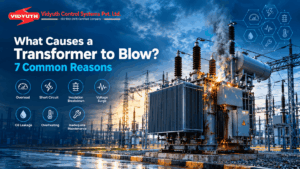
If you wish to know why transformers fail, take a look at our guide on what makes a transformer blow. You will learn about the reasons behind transformer failures, warning signs to look out for, and steps to avoid failure in the future.
Common Transformer Cooling Methods
1. Air Natural (AN)
You will commonly spot this method in dry-type transformers; heat produced inside the transformer is naturally reduced into the surrounding air without using fans or pumps. It is a simple, cost-effective solution for some small transformers that have lower power ratings.
2. Air Forced (AF)
It is quite common to find this type of cooling in dry-type transformers, whereby the heat generated within the transformer is naturally dissipated into the atmosphere without employing fans or pumps. It is a simple but relatively cheap approach that works well with smaller transformers that do not have high power ratings.
3. Oil Natural Air Natural (ONAN)
This is another form of cooling whereby the cool air is made to flow over the transformer by using fans. The use of fans increases the efficiency of heat removal and makes the transformer capable of handling more load than the air natural cooling method.
4. Oil Natural Air Forced (ONAF)
This is among the most widely employed transformer cooling methods in oil-filled transformers. In ONAN, the heat is removed by allowing it to be absorbed by the transformer oil and then dissipating it naturally.
5. Oil Forced Air Forced (OFAF)
Here, both the oil and air are assisted mechanically; the pumps circulate the oil, while fans offer forced airflow over the cooling surfaces. This arrangement provides better cooling efficiency for large-size transformers.
6. Oil Forced Water Forced (OFWF)
If a transformer is installed at locations where there are high cooling needs, then water is used as the external cooling medium. The oil transfers heat to a water-cooled heat exchanger, allowing heat removal in a faster way while maintaining safe operating temperatures.
Choosing the Right Cooling System
When it’s time for you to select one from the types of cooling in a transformer available, make sure you check the transformer’s rating, operating environment, available space, and maintenance details. A proper cooling system in a transformer not only enhances operational efficiency but also minimizes the chances of unexpected failures as well as costly downtime.
Knowing more about the Transformer Manufacturing Process can assist you in realizing the importance of quality raw material, precise manufacturing process, and extensive testing that goes into making a transformer work efficiently.
Conclusion
Effective transformer cooling methods play a key role for making sure that there is safe and efficient operation of transformers across different industries. Be it natural air cooling or advanced oil and water-based systems, each transformer cooling method is designed in a way to meet certain types of operational requirements. Therefore, selecting the right type of cooling system helps improve efficiency, extend the transformer’s life, and maintain a reliable power distribution.
VCSPL in India offers dependable transformer solutions designed for long-term performance across industrial and power distribution applications. Contact us now to find out more about our offerings and find the best transformer for you.